


This is a classic example of a late Victorian or Edwardian earthenware jelly mould produced by Booths (Limited) of the Church Bank Pottery, Tunstall.
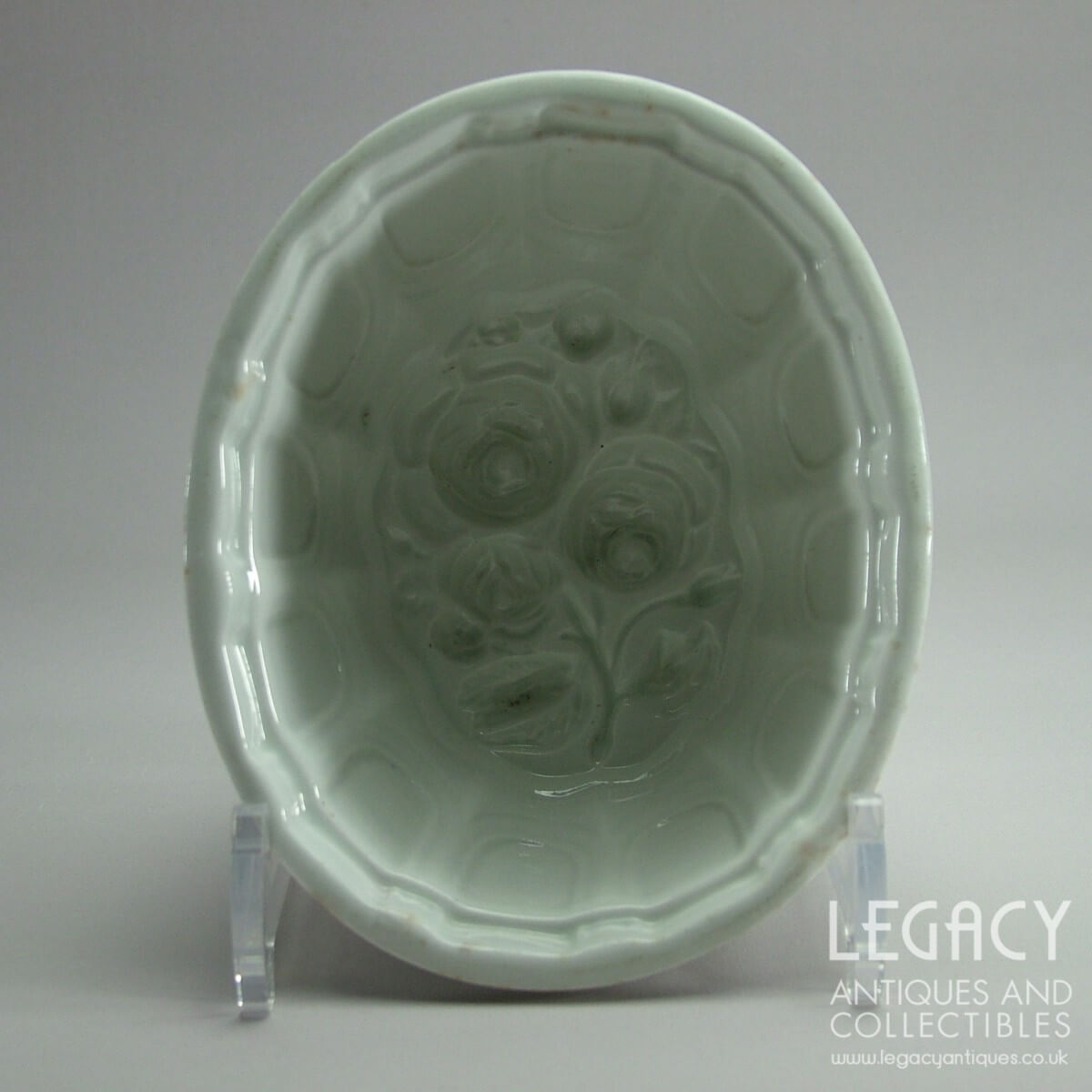
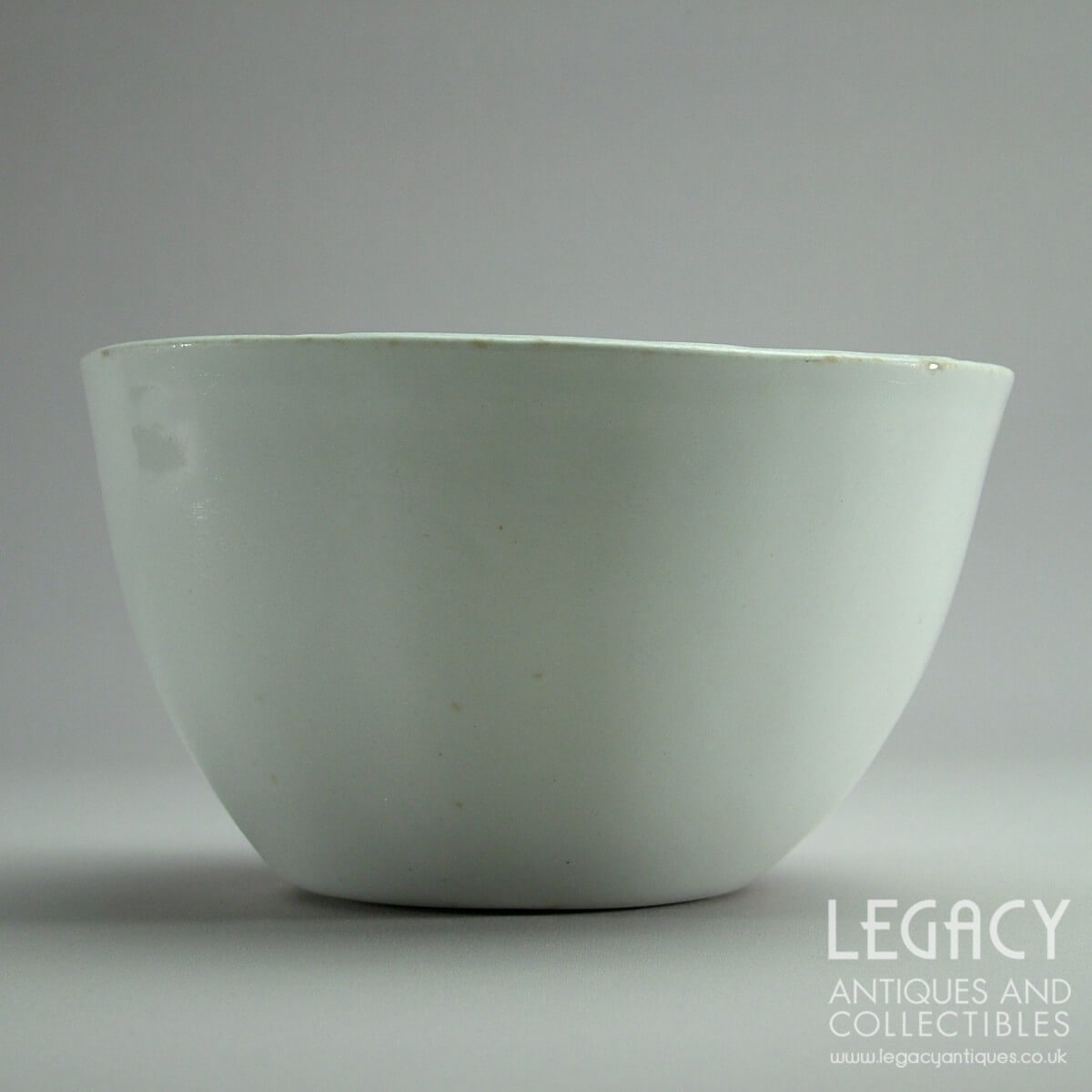
The mould is oval in shape, with a plain exterior that tapers towards the base. It is moulded with twelve (12) vertical flutes around the sides, stepping out at the base. The top is moulded with a large sprig of roses and their foliage. The edge of this motif is scalloped in line with the tops of the flutes on the side of the mould.
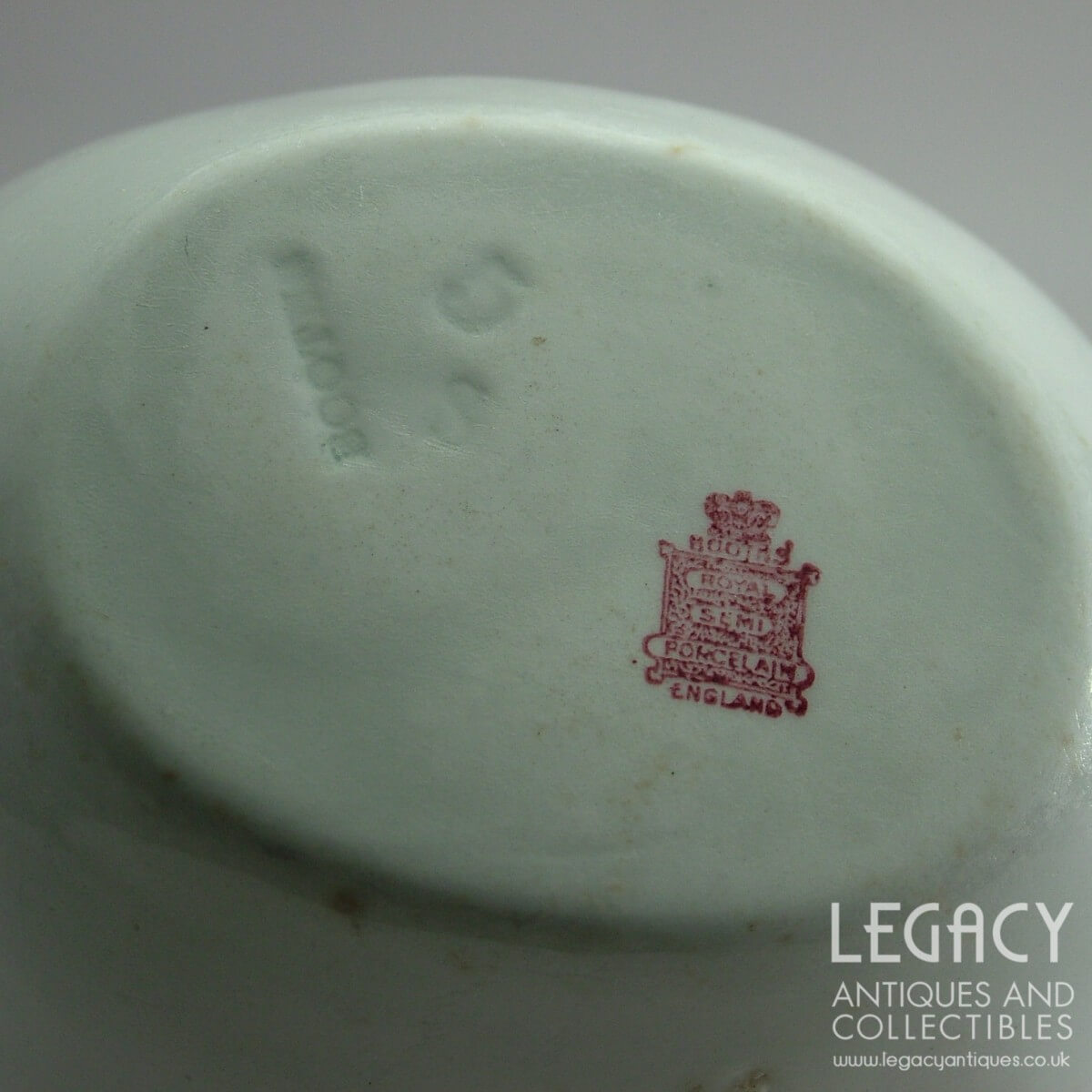
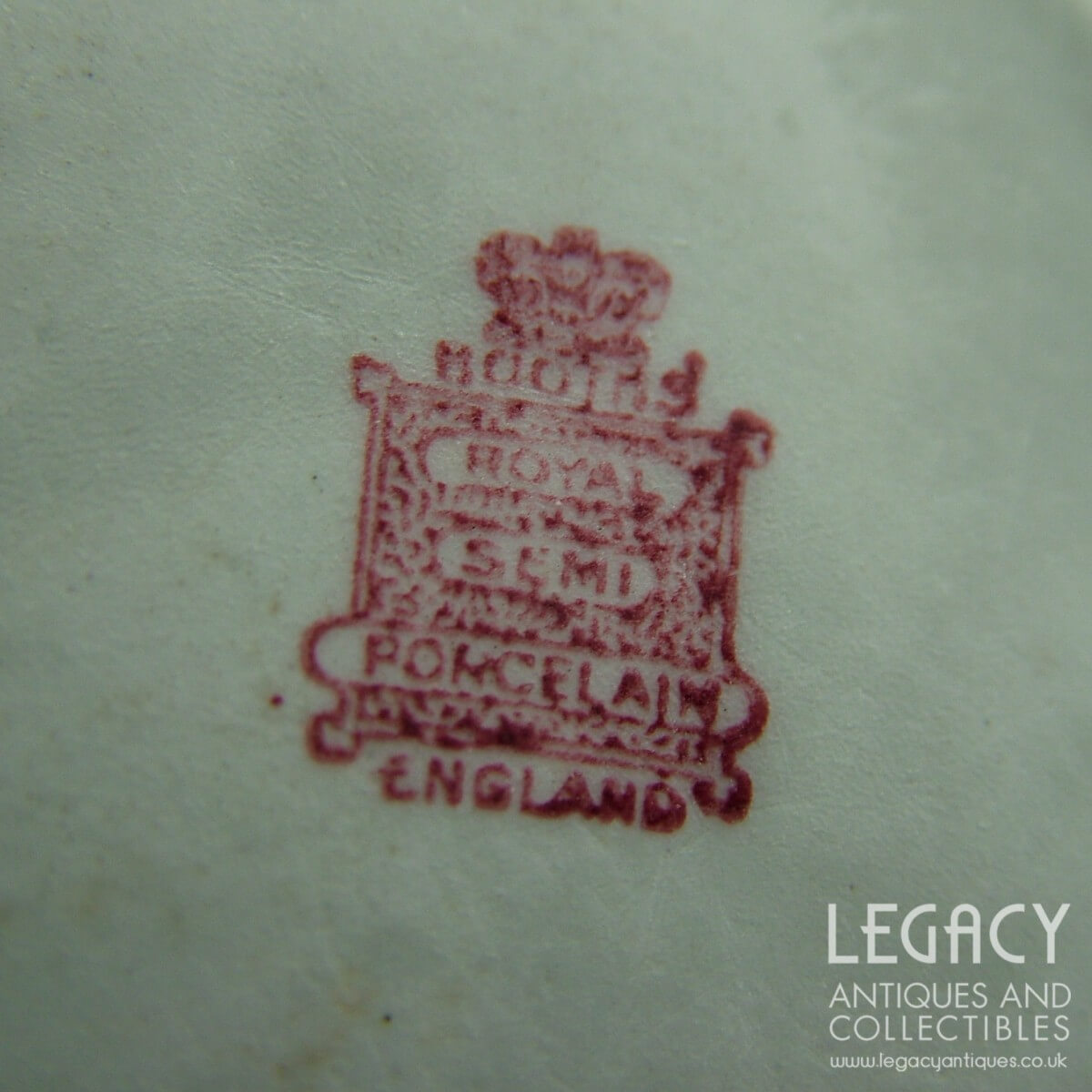
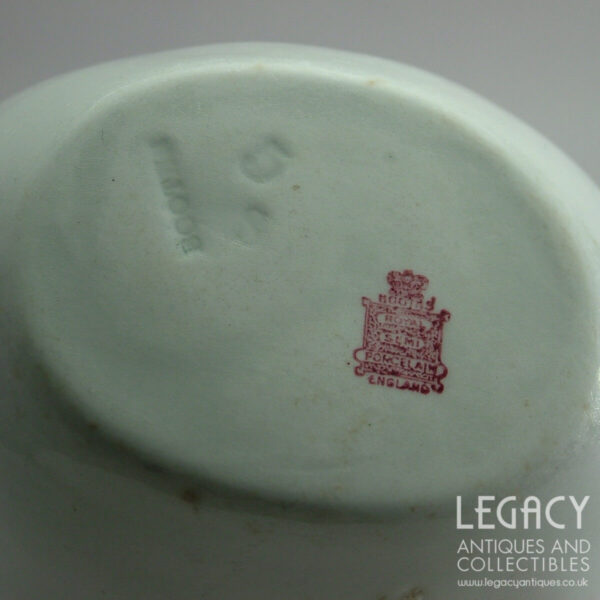
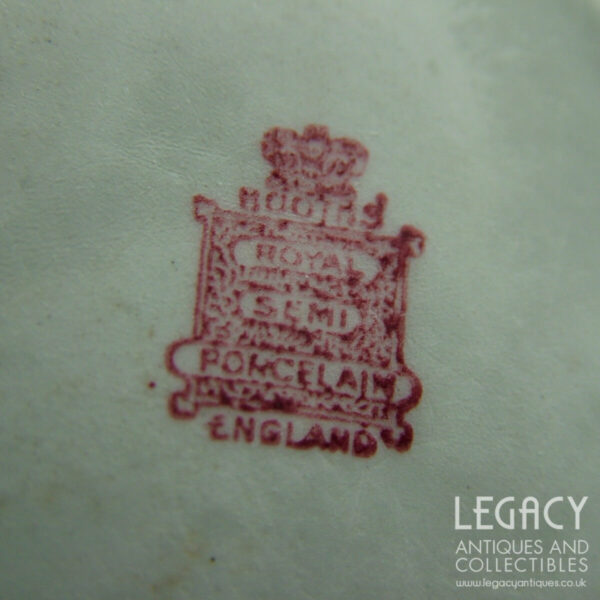
The underside of the base is flat and impressed with the word ‘BOOTHS’, the letter ‘S’ and the number ‘5’. In addition, it is printed in red with a square surmounted by a crown, with the words ‘BOOTHS ROYAL SEMI PORCELAIN ENGLAND’. This mark does not appear in the ‘Encyclopaedia of British Pottery and Porcelain Marks’ by Geoffrey A. Godden, but it is similar to marks used between 1891 and around 1912.
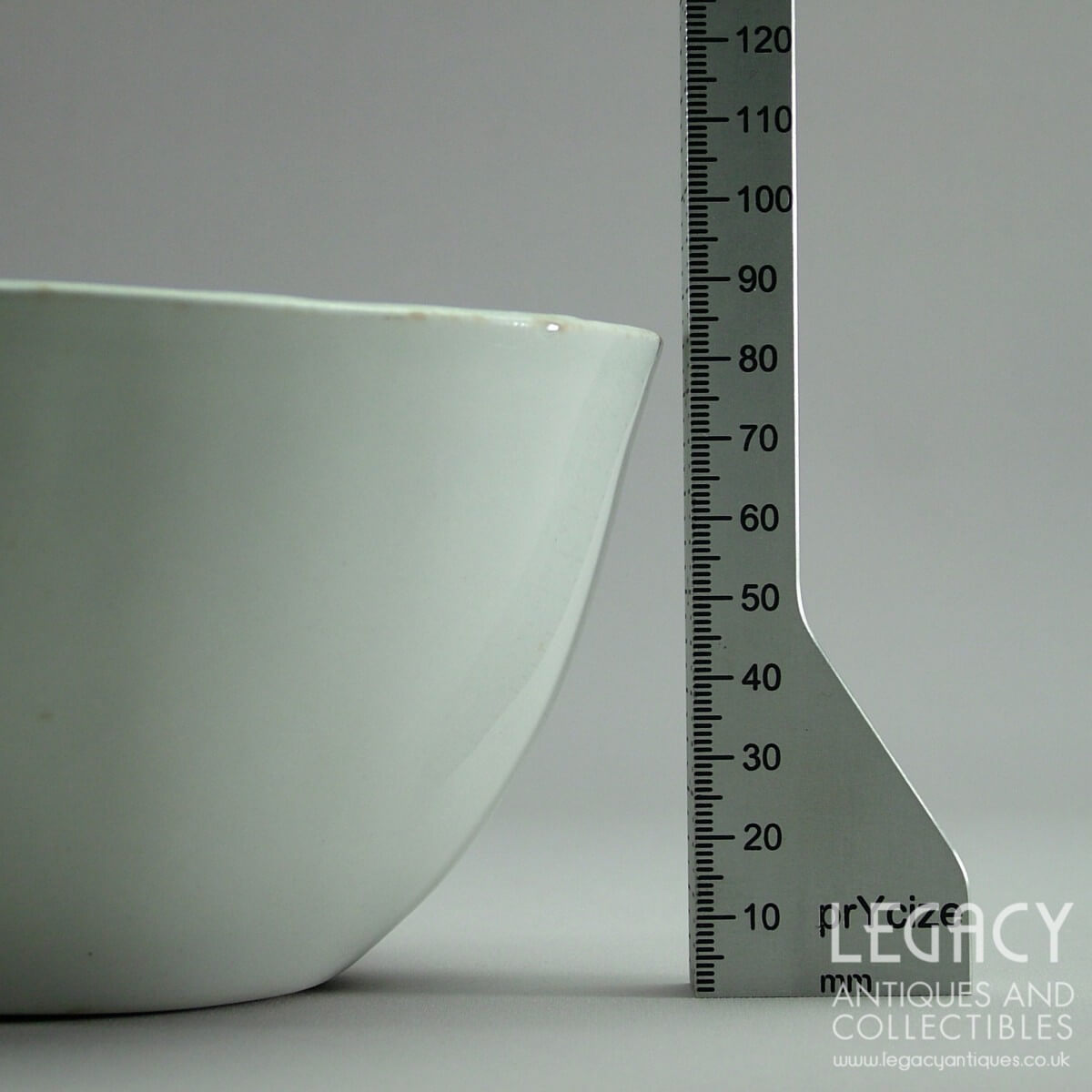
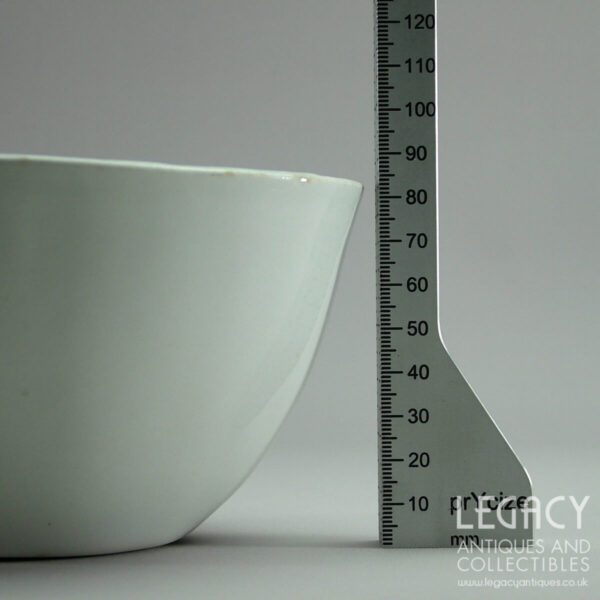
It has a height of approximately 8.7cm, with a maximum length across the top of 15.4cm and a maximum width of 12.5cm.
It will make one UK imperial pint of jelly (568ml).
It has an unwrapped weight of 580g.
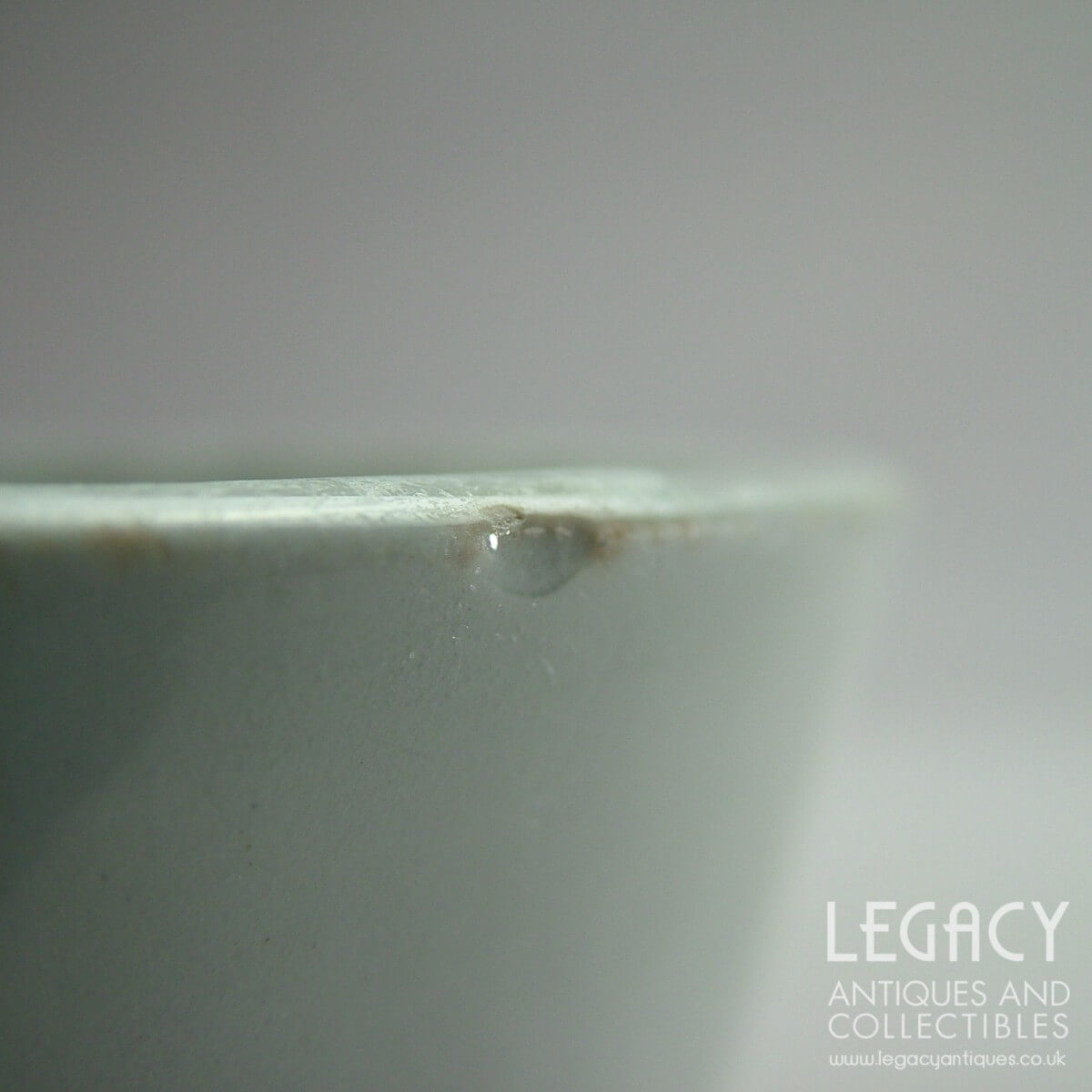
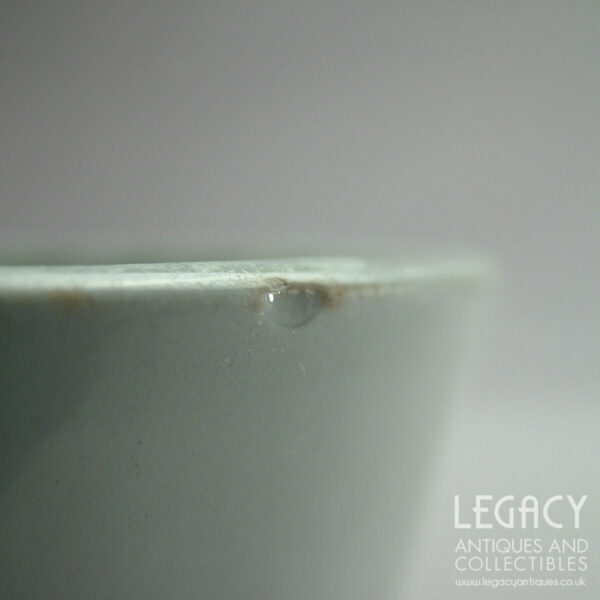
It is in good condition, with no chips or cracks. There are two ‘notches’ out of the rim, which could be mistaken for chips, but they are flooded with glaze, so they would have occurred during manufacture. There are some minor stains on the interior and exterior commensurate with use.
| Weight | 1.25 kg |
|---|---|
| Boxed | No |
| Liquid Capacity | 500-600ml |
Related Items



20th Century Ceramics
Vintage Purbeck Gifts Small Ceramic Posy Vase with Blue Floral Motif


20th Century Glass
Pair of Mid-20th Century Triple-Moulded Pink Glass Candlesticks